Home › Areas › Water Damage Restoration in South Shore, Wellington, FL
Water Damage Restoration in South Shore, Wellington, FL
South Shore is one of Wellington's established family neighborhoods: non-gated streets of 1980s and 1990s homes along South Shore Boulevard, on the south shore of Lake Wellington. No gate, no clubhouse, just solid family housing stock that has been lived in hard for thirty to forty years. That age is exactly what defines the water work here. The plumbing in these homes is not new anymore, and it fails the way old plumbing fails: slowly, inside walls and under slabs, until the day it does not. We are a Wellington crew, and South Shore is home turf.
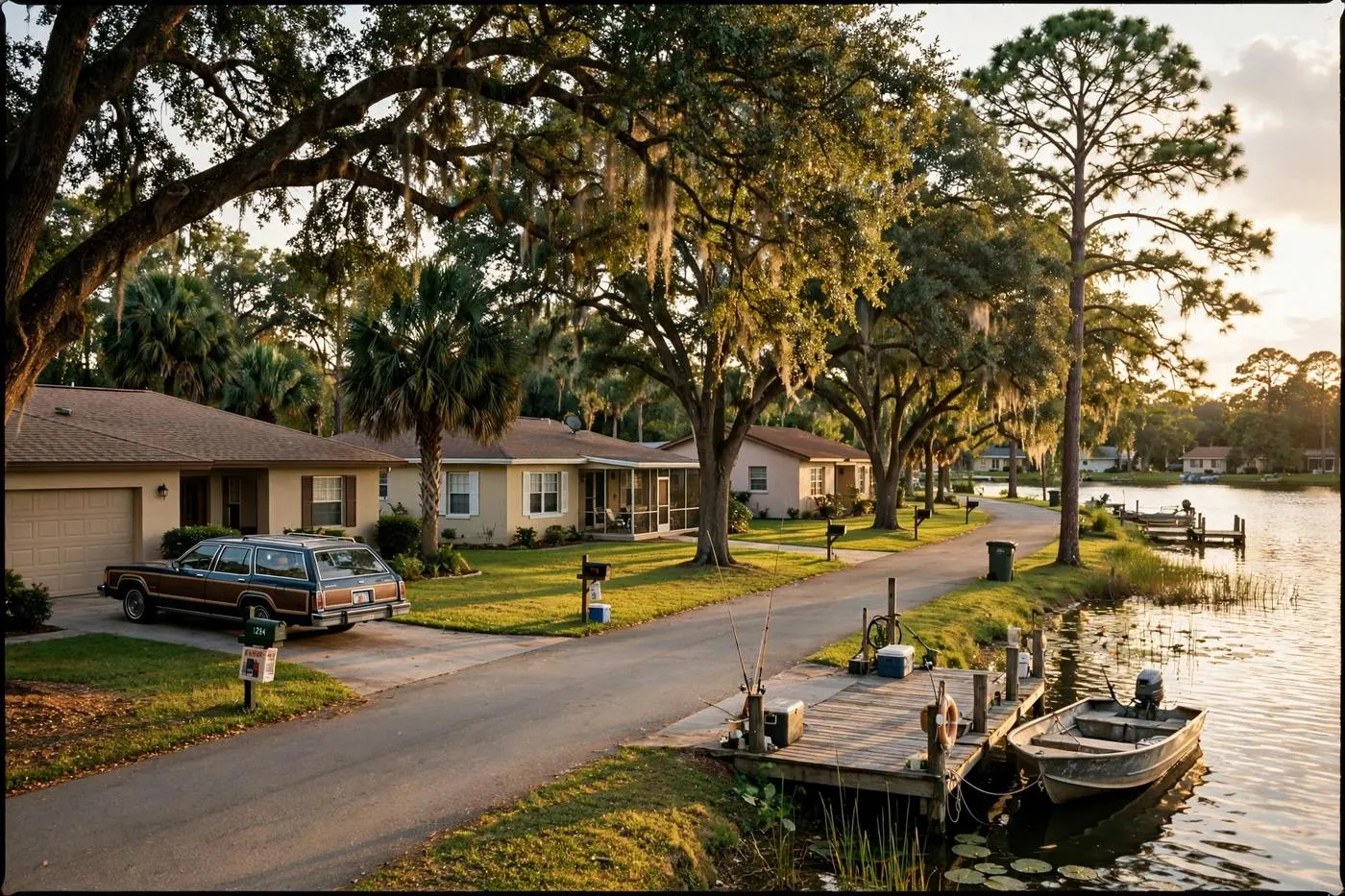
South Shore water profile
The headline in South Shore is pipe age. Homes of this era were plumbed with copper supply lines and, in many cases, cast iron drain lines. Cast iron corrodes from the inside out over decades, narrowing and eventually cracking or collapsing, which is why sewer backups and slow drains cluster in neighborhoods of this vintage. Copper develops pinhole leaks that can mist inside a wall for months. Both patterns deliver the classic South Shore discovery: a warm spot on the floor, a sewer smell that comes and goes, or a water bill that jumped for no visible reason.
Water heaters tell the same story on a shorter clock. A heater installed when the house was newer has been replaced at least once by now, and the current one is often past the age where a slow tank leak is a surprise. Add lake proximity, streets sitting close to Lake Wellington's water level, and summer storms that test every roof in the neighborhood at once, and South Shore's water profile is complete: an aging system in a wet setting.
Many homes here have also been renovated in stages, which means mixed plumbing eras in the same house: new fixtures on old drains, a re-piped kitchen feeding a forty-year-old sewer line. Mixed systems fail at the joints between eras.
Homes here and what fails
The jobs we expect in South Shore are slab leaks from aging supply lines, drain and sewer backups from tired cast iron, and water heater failures in garages and utility closets. AC condensate overflows round out the list in summer. Because families live in these homes year-round, losses are usually caught faster than in seasonal neighborhoods, but the damage pattern is deeper: water that has been inside a wall or under a slab for months before the first symptom.
When flooring comes up here, we frequently find the loss has history. That is why documentation matters even on a family home with no plans to sell: readings and photos show what was wet, what was dried, and what was removed.
The Shores: the newer contrast
Just west of the South Shore streets sits The Shores at Wellington, a late-2010s community that could not be more different in profile. Newer construction means modern supply lines, newer drains, and fixtures still early in their service life. The failure pattern there is the modern one: appliance supply lines, AC condensate clogs, and the occasional builder-era fitting that lets go. We serve The Shores with the same crew and the same documentation standard. Newer is not immune; it just fails differently, and usually faster to spot, because nothing is hidden behind forty years of finishes yet.
Services that matter here
- Water damage restoration for slab leaks, supply line failures, and structural drying.
- Sewage cleanup for cast iron drain failures and backups, handled as the category 3 events they are.
- Mold remediation for the growth that follows long-running hidden leaks.
- Mold testing when the smell says mold but the walls look clean.
- Storm damage restoration for roof and storm losses across the lake-side streets.
Frequently Asked Questions
How do I know if I have a slab leak in a South Shore home?
The common signs are a warm or damp spot on the floor, the sound of water when everything is off, a sudden soft spot in flooring, or a water bill that climbed without explanation. None of those proves it alone. A moisture survey and pressure check confirm it, and that is the right first step before any floor comes up.
Our drains back up every few months. Is that a restoration problem?
It is a plumbing problem first, and if sewage has come into the home, it becomes a cleanup problem the same day. Recurring backups in a home of this age often mean the cast iron drain is failing. Get the line scoped, and call us for any sewage that has already entered living space, because that water is category 3 and porous materials in contact with it usually come out.
Request an Assessment
Tell us what happened and where. We call back with a plan and an honest read on cost before any work starts. If water is actively spreading, call (728) 235-4938 instead, a conversation beats a form when the clock is running.
Request an Assessment
Tell us what happened. We call back with a plan and an honest read on cost before any work starts.